
Insight
AI hearing aids explained: are they really better?
Updated 12 March 2026 · 7 min read
Artificial intelligence (AI) has become one of the biggest buzzwords in technology. From smartphones and cars to online search, AI is now part of everyday life. It's also beginning to transform hearing aids, with manufacturers promoting AI-powered features that promise clearer conversations, less background noise and a more natural listening experience.
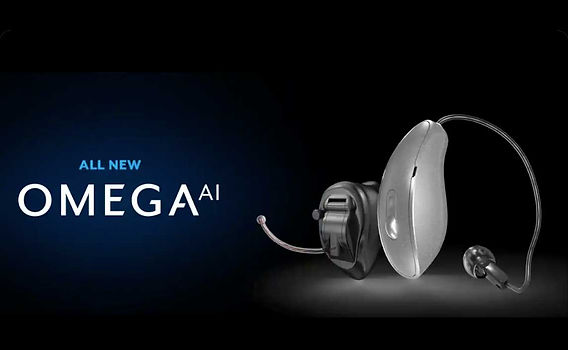
But what does AI actually mean in a hearing aid? Is it genuinely useful, or is it simply a marketing term?
What is AI in a hearing aid?
Artificial intelligence refers to technology that can analyse information and make decisions automatically. In hearing aids, AI is designed to help the device recognise different listening environments and adjust its settings without the wearer needing to do anything.
For example, if you move from a quiet living room into a busy restaurant, an AI-powered hearing aid can detect the change and automatically alter how it processes speech and background noise.
The aim is simple: make hearing feel as effortless and natural as possible.
How do AI hearing aids work?
Modern premium hearing aids contain powerful computer chips that analyse sound thousands of times every second. They continuously assess factors such as:
- Speech around you
- Background noise
- The direction sounds are coming from
- Wind noise
- Echo and room acoustics
- Your previous listening preferences
Using this information, the hearing aid automatically adjusts its microphones and sound processing to suit the environment. Many of today's most advanced hearing aids can also learn from how you use them, helping to personalise your listening experience over time.
What are the benefits?
Better conversations in noisy places
One of the biggest challenges for people with hearing loss is following conversations in busy environments such as restaurants, cafés and family gatherings. AI can help reduce distracting background noise while making speech clearer and easier to follow.
Less need for manual adjustments
Older hearing aids often required users to change programmes depending on where they were. Modern AI hearing aids can make these adjustments automatically, allowing you to focus on the conversation rather than the technology.
A more personalised experience
Some hearing aids allow adjustments made through their smartphone app to be remembered. Over time, the hearing aids can learn your preferences and apply similar settings when you encounter comparable listening situations.
Improved comfort
Rather than making everything louder, AI aims to provide the right amplification at the right time. This can result in a more natural listening experience and reduce listening fatigue throughout the day.
Is AI just marketing?
The answer is both yes and no.
Some manufacturers use the term "AI" quite broadly, even when the technology is simply sophisticated automatic sound processing. However, the latest premium hearing aids genuinely use advanced machine learning and intelligent processing that was not available just a few years ago.
The important thing is not whether a hearing aid is labelled as "AI", but whether it performs well in the situations that matter to you.
Do you need an AI hearing aid?
Not everyone does.
If your hearing difficulties are relatively mild and you spend most of your time in quiet environments, a simpler hearing aid may provide everything you need.
However, if you regularly attend meetings, enjoy eating out, socialise with friends or have an active lifestyle, the latest AI-powered hearing aids may provide noticeable improvements in comfort and speech understanding.
Will AI replace audiologists?
No.
While hearing aids are becoming increasingly intelligent, they still need to be programmed and fine-tuned for each individual. Your hearing loss, ear anatomy, lifestyle and personal preferences are all unique. An experienced audiologist ensures that the technology is correctly fitted, adjusted and supported over time.
AI is a powerful tool, but it works best when combined with expert clinical care.
The future of AI hearing technology
Artificial intelligence is developing rapidly, and hearing aids are likely to become even more capable over the coming years. Future developments may include:
- Even more accurate speech enhancement.
- Better performance in complex listening environments.
- More personalised sound processing.
- Improved health and wellbeing monitoring.
- Closer integration with smartphones and wearable technology.
The goal is not simply to make sounds louder, but to make listening easier, more natural and less tiring.
If restaurants and group conversations are your main concern, read our guide to understanding speech in background noise for practical examples to bring to your appointment.
Thinking about upgrading your hearing aids?
If you're wondering whether the latest AI hearing aids would benefit you, the best place to start is with a comprehensive hearing assessment and a discussion about your lifestyle. At Drummond Hearing, we take the time to understand the situations where you struggle most before recommending the most appropriate technology — our advice is always independent and tailored to your individual needs.
Fittings and demonstrations are booked by patients from Kensington and Knightsbridge, plus every area we cover. Read our reviews of Starkey Edge AI, Phonak Eon and Oticon Intent. See also Bluetooth hearing aids explained.
Book a hearing assessmentThis article is for general information and isn't a substitute for individual medical advice.