
Hearing guide
How often should you have a hearing test? When to book your next check
Published 9 November 2026 · 5 min read
You may remember having a hearing test a few years ago and being told everything was fine. Or perhaps you have never had one, but conversations are starting to take more effort. When should you get checked, and how often should you go back?
The short answer
There is no single interval that suits every adult. Your hearing, previous results and circumstances should guide when you return. If you notice a gradual change, arrange an assessment rather than waiting for a date in the diary. If hearing drops suddenly, seek urgent medical help today.
Start with what has changed, not just your age
A hearing test is worth considering when everyday listening feels different. You do not need to wait until you miss whole conversations or feel certain you have hearing loss. Equally, reaching a particular birthday does not tell us exactly when your next appointment should be.
Think about the situations that have become harder. Are you asking people to repeat themselves more often? Is the television louder than others prefer? Do you lose the thread when several people speak? These experiences do not diagnose a hearing problem, but they are useful reasons to speak to an audiologist.
If you have never had your hearing measured, an assessment can provide a starting record of how you hear now. Our initial hearing assessment page explains what is included.
What if your last hearing test was normal?
A reassuring result is useful, but it is a picture of your hearing at the time of that test. It does not mean a later concern should be ignored. Bring a copy of any previous results if you have them, so your audiologist can consider them alongside what you are noticing now.
If nothing seems to have changed, ask what review interval is appropriate for you. If something has changed gradually, get in touch sooner. Hearing is only part of the picture, so describe any ear discomfort, tinnitus, dizziness or difference between the ears as well.
When not to wait for a routine hearing test
Sudden hearing loss in one or both ears needs urgent medical assessment today. Contact your GP urgently or seek urgent medical care. Do not wait for a routine hearing appointment, and do not assume the change is wax or a problem with a hearing aid.
Hearing that is worsening quickly also needs prompt medical attention. Contact your GP about hearing changes with pain, discharge, significant dizziness or other worrying symptoms. This article is general information, not a diagnosis or individual clinical advice. An audiologist or your GP can advise about your own circumstances.
Noticed a gradual change?
You do not need to decide whether you need hearing aids before booking. Start with an assessment and a conversation about what has become difficult.
Book a hearing assessmentIf you already wear hearing aids
Your hearing can change while you wear hearing aids, and the devices themselves may also need attention. If they seem less helpful, tell your audiologist rather than simply turning the volume up or assuming it is time to replace them.
A review may involve checking the hearing aids, examining your ears and repeating hearing tests where appropriate. Depending on what is found, the next step might be maintenance, an adjustment, a discussion of other options or medical review. A new device is not automatically the answer.
At Drummond Hearing we fit Starkey, Phonak and GN ReSound. Advice starts with your hearing and everyday needs, not a favourite brand. Our hearing aids in London page explains our approach to consultations.
Noise exposure and other reasons to discuss regular checks
Tell your audiologist about noisy work, music, previous ear problems and any medical care that may affect your hearing. These details can help guide advice about monitoring. If your employer arranges hearing checks because of workplace noise, keep attending them and raise any concerns with the occupational health team. A private appointment does not replace workplace hearing protection or monitoring.
An online hearing check can be a useful starting point, but it cannot look inside your ears or give the full information available at an appointment. Do not use an apparently normal online result to dismiss a change you can notice in daily life.
If you are worried about a family member
Choose a quiet moment and talk about what you have noticed without telling them what must be wrong. You might mention that television volume or group conversations seem harder, then ask how they feel about it. Offer to come to an appointment if they would find that helpful, rather than making the decision for them.
A hearing assessment is a chance to understand the situation. It does not commit someone to buying hearing aids. Their own concerns, preferences and pace matter.
What to bring and what happens next
Bring previous hearing results if available, details of medicines you take and your hearing aids if you use them. Think of two or three listening situations you would like to discuss, including what has changed and roughly when it started.
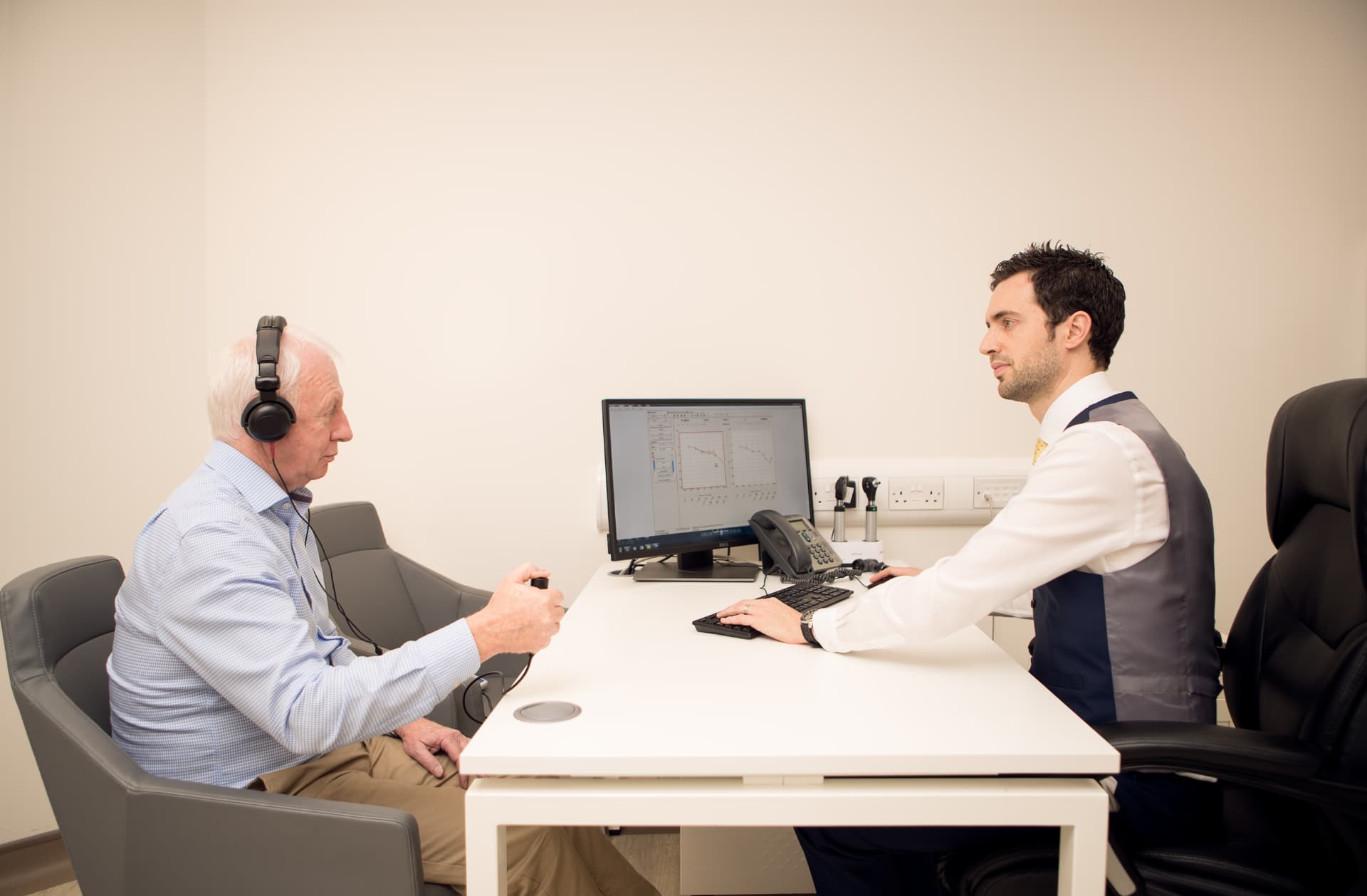
The initial assessment at Drummond Hearing includes an ear examination, pure tone audiometry, tympanometry and time to explain the results. We discuss whether any further care is appropriate and when to review your hearing. Read our guide to what happens at a hearing test if you would like to know more before coming in.
Frequently asked questions
Should I have a hearing test every year?
A yearly check may be appropriate for some people, but it is not the right interval for everyone. Ask your audiologist what makes sense for your hearing, any previous results and your circumstances. If you notice a change, do not wait for the next planned check.
Do I need another test if my last result was normal?
A previous result describes your hearing at that time. If conversation now feels harder, or someone close to you has noticed a difference, it is worth discussing a new assessment with an audiologist. Sudden hearing loss needs urgent medical assessment rather than a routine test.
Can an online hearing check replace an appointment?
An online check can be a starting point, but it cannot examine your ears or replace a full hearing assessment. If you have concerns, including after an apparently reassuring online result, speak to an audiologist or your GP.
Should I get my hearing tested if I already wear hearing aids?
Yes, hearing can change while you wear hearing aids. If they seem less helpful, arrange a review with your audiologist. A check of the devices and your ears, and a hearing test where appropriate, can guide the next step rather than assuming you need new hearing aids.
How much is an initial hearing assessment at Drummond Hearing?
The initial hearing assessment is £150 and lasts 60 minutes. It includes a conversation about your concerns, an ear examination, pure tone audiometry, tympanometry and an explanation of your results and next steps.
Book your initial hearing assessment
Book a £150, 60 minute initial hearing assessment with Drummond Hearing. Our London clinics are at Cromwell Hospital, Visit Health and Canary Wharf. We will talk through your concerns, examine your ears, test your hearing and explain your results and next steps. Choose your clinic and book online.
Book a hearing assessment