
Insight
Are Invisible Hearing Aids Really Invisible? Who Can Wear Them
Updated 26 February 2026 · 6 min read
For many people considering hearing aids for the first time, the biggest concern isn't the technology — it's how the devices will look. Invisible hearing aids are designed to sit deep inside the ear canal, out of sight, so you get the benefit of modern hearing technology without anything visible on the outside of the ear.
What are invisible hearing aids?
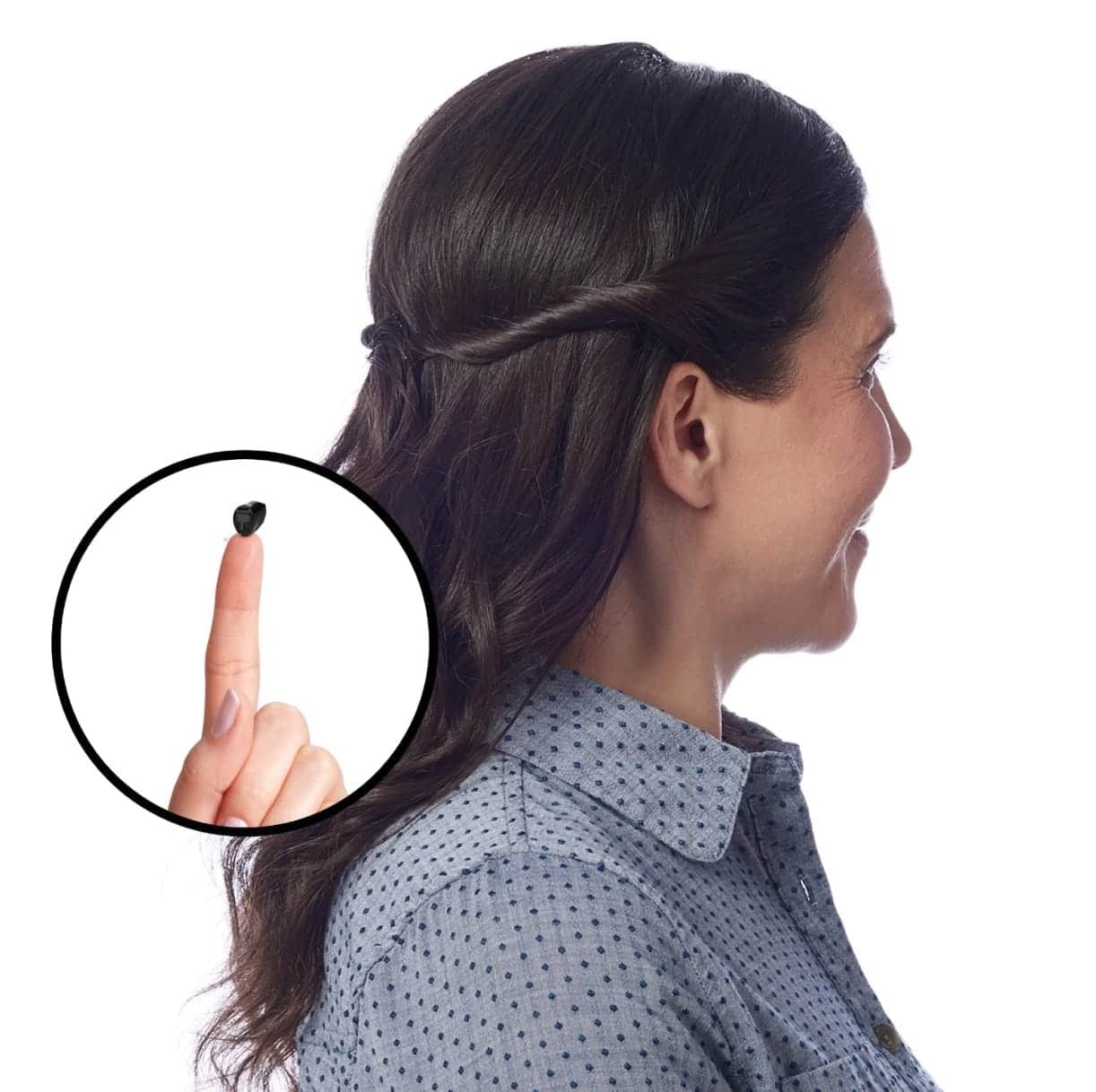
"Invisible hearing aids" is the term commonly used for the smallest custom in-the-ear devices — usually IIC (invisible-in-canal) or CIC (completely-in-canal) hearing aids. They are made from an impression of your ear canal, so each device is unique to you and sits deep inside the canal where it's very difficult to spot from the outside.
Because there is nothing worn behind the ear and no visible wire, most people around you won't notice them at all — even in close conversation.
How do they work?
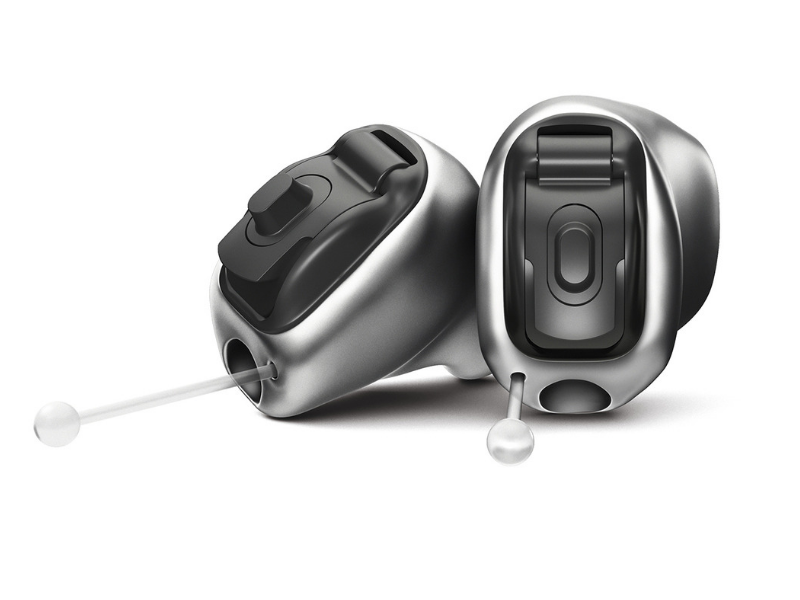
Despite their size, invisible hearing aids use the same underlying technology as larger devices. The microphone, amplifier, receiver and battery all sit within a single custom shell that fills part of your ear canal. Sound is picked up close to the natural entrance of the ear, processed, and delivered directly into the canal.
Because the microphones sit inside the ear rather than behind it, the outer ear (pinna) can do some of the work it's designed for — helping with the natural direction and quality of sound.
Who are invisible hearing aids best suited to?
Invisible hearing aids are generally most appropriate for adults with mild to moderate hearing loss who:
- Want the most discreet option possible.
- Have ear canals large and healthy enough to fit a custom device.
- Are comfortable handling very small hearing aids and batteries.
- Don't produce excessive ear wax or moisture.
Not every ear can accommodate an invisible hearing aid, and not every hearing loss is best treated in this way. During your assessment I'll examine your ear canals and look at your audiogram together with you, and give you an honest view on whether an invisible device is a sensible option.
The trade-offs to be aware of
Invisible hearing aids are a genuinely impressive piece of technology, but there are some practical trade-offs compared with slightly larger styles:
- Power: the smaller the device, the less powerful amplification it can deliver, so more severe hearing losses often need a larger style.
- Battery life and rechargeability: most invisible devices still use tiny disposable batteries, whereas rechargeable options are more widely available in behind-the-ear styles.
- Advanced features: the largest ear canals can now accommodate rechargeable and Bluetooth-enabled custom devices, but the very smallest IICs may have fewer connectivity features.
- Handling: the small size makes them more fiddly to insert, remove and clean, especially for anyone with reduced dexterity or vision.
- Wax and moisture: sitting deep in the ear canal means invisible aids can be more prone to wax build-up and require regular maintenance.
Invisible hearing aids vs slim behind-the-ear (RIC) devices
For many patients, the real choice isn't "invisible or nothing" — it's between an invisible custom device and a modern receiver-in-canal (RIC) hearing aid, which sits neatly behind the ear with a very thin wire into the canal.
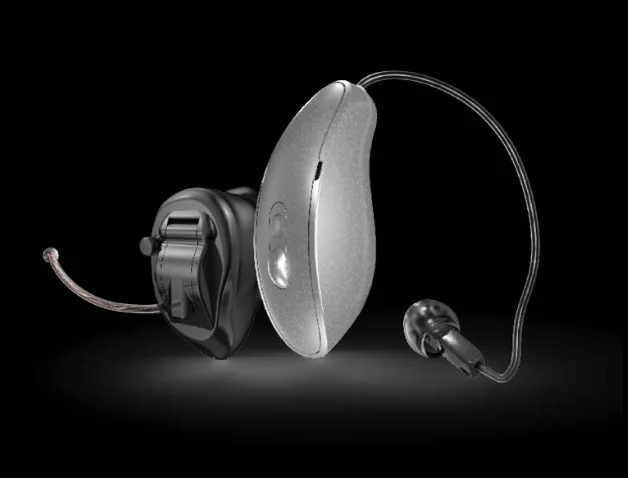
Today's premium RIC devices are extremely slim and, for most hair types, are very difficult to see. They typically offer:
- More powerful amplification for a wider range of hearing losses.
- Rechargeable batteries as standard.
- Full Bluetooth streaming from phones, TVs and computers.
- The latest AI-driven noise reduction and speech enhancement.
It's not unusual for patients to arrive at their appointment set on invisible hearing aids, try a demo pair of premium RIC devices, and decide that the extra performance and comfort matters more than being completely out of sight. Others feel the opposite — for them, the invisibility is the single most important factor. Both are perfectly valid choices.
What we fit at Drummond Hearing
As an independent London audiology practice, we focus on three manufacturers we trust for reliability, sound quality and long-term service: Starkey, Phonak and GN ReSound. Each offers a range of custom invisible-in-canal and completely-in-canal devices, alongside the latest premium receiver-in-canal hearing aids.
Because we're not tied to a single manufacturer, we can recommend the style and model that genuinely suits your hearing loss, ear anatomy and lifestyle — rather than the one a chain happens to sell.
How to find out if invisible hearing aids are right for you
The only reliable way to know is with a proper assessment. That includes a full hearing test, a careful look at your ear canals with a video otoscope, and a discussion of the situations where you struggle most with your hearing. From there we can be realistic about which styles will work well for you — and, where sensible, demonstrate them in the appointment.
If you'd like to explore the options, you can book a private hearing assessment in Kensington or West London or read more about the hearing aids we fit across London.
You may also find our related article on AI hearing aids useful when comparing modern premium devices.
Considering invisible hearing aids?
Book a private consultation at Drummond Hearing and we'll assess whether an invisible device is the right fit for your ears, your hearing loss and your lifestyle — with honest, independent advice.
Discreet fittings are booked most often by patients from Knightsbridge and Chelsea, plus every area we cover. Read our reviews of Starkey Edge AI, Phonak Eon and Oticon Intent.
Book a hearing assessmentThis article is for general information and isn't a substitute for individual clinical advice.