
Hearing aid guide
Hearing aids not helping? What to check before replacing them
Published 26 October 2026 · 6 min read
You already wear hearing aids, but conversations have become harder again. Perhaps you are turning them up more often, avoiding busy places or wondering whether the latest model would make a difference. Before spending money on replacements, it is worth finding out what has changed.
The short answer
Hearing aids that no longer seem helpful do not automatically need replacing. Your ears, hearing, device condition, fitting and listening needs all deserve attention. An assessment can help you understand whether the next step is maintenance, adjustment, repair, medical assessment or a conversation about different hearing aids.
First, separate a device problem from a hearing change
A quiet or distorted hearing aid can feel like a change in your hearing. A blocked wax filter, a charging problem or a damaged part may be involved. Equally, a device that switches on normally does not tell you whether your hearing has stayed the same. Simply increasing the volume cannot settle that question.
This article is general information, not clinical advice about your own ears. See an audiologist or your GP about a change in your hearing, persistent discomfort or symptoms you do not understand.
When not to wait for a routine appointment
If your hearing drops suddenly, in either ear, seek urgent medical assessment today. Do not assume it is a faulty hearing aid or ear wax, and do not wait for a routine clinic booking. Contact your GP urgently. Rapidly worsening hearing also needs prompt medical attention.
Our sudden hearing loss guide explains why this needs a different response from a gradual loss of benefit.
What you can check without guessing at the cause
If there has been no sudden hearing change, start with the familiar checks in your device instructions. Is it charged or does it need a fresh battery? Is it inserted as you were shown? Is the sound outlet or wax filter visibly blocked? Only clean or replace parts in the way you have been taught, and do not put anything into your ear canal.
Our hearing aid troubleshooting page covers these practical checks. RNID also has a guide to common hearing aid problems. If the problem persists, ask for professional help rather than repeatedly turning the volume up or trying to take the device apart.
What an assessment adds
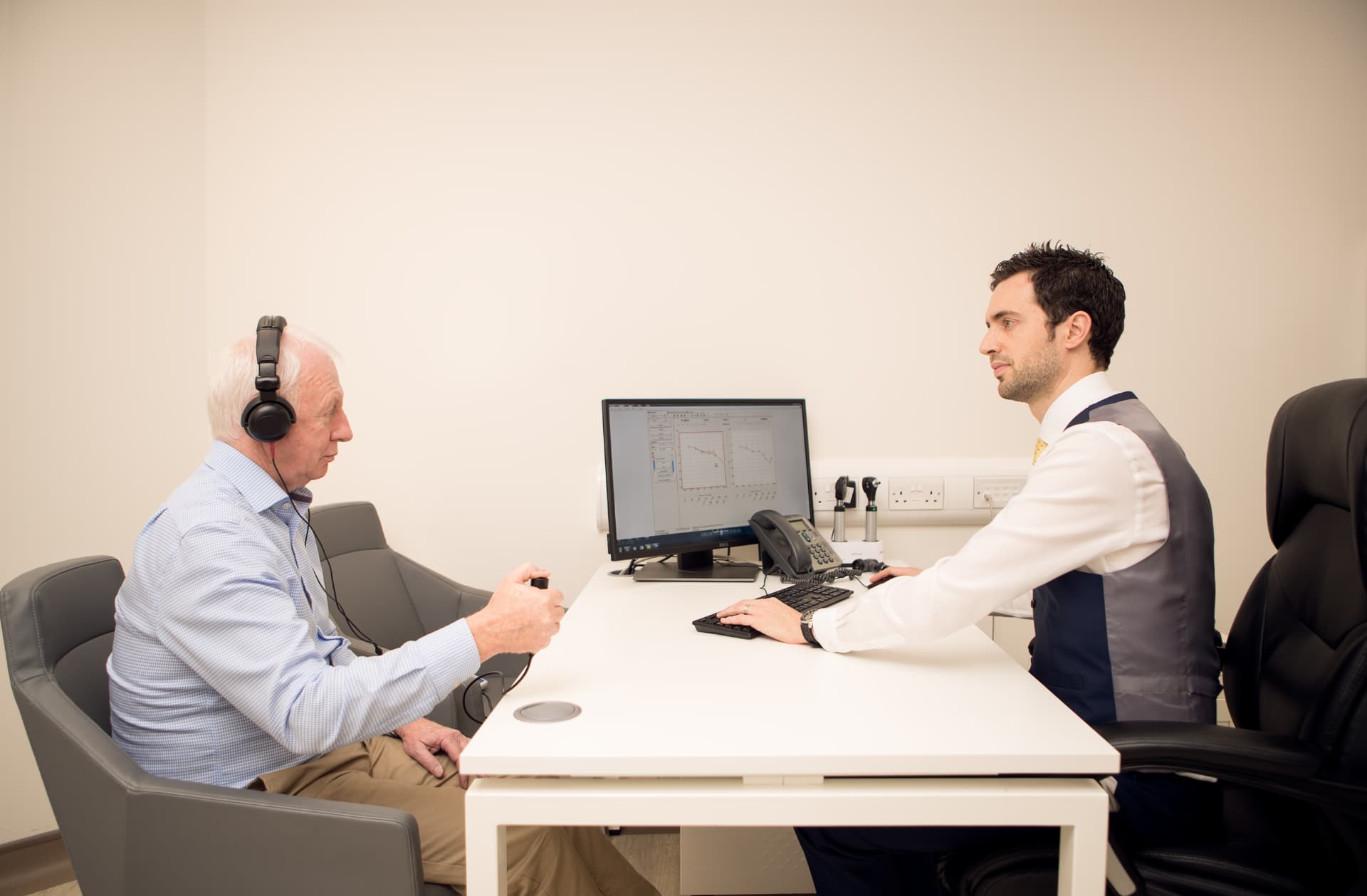
The useful question is not just whether the hearing aid works. It is whether it still meets your hearing needs. At Drummond Hearing, an initial assessment includes a discussion, ear examination, pure tone audiometry and tympanometry. Previous results, if available, help put your current hearing in context.
You can see what these checks involve on our hearing assessment page and in our guide to what happens at a hearing test. If the findings suggest a medical issue, the next step may be further assessment rather than new hearing aids.
For existing aids, it is also worth discussing their condition, fit and settings. The checks or adjustments possible depend on the devices and the support they need. An initial hearing assessment is not a promise that a repair, reprogramming or every device check can be completed within that appointment.
Understand what has changed before choosing new aids
For a gradual loss of benefit, start with a hearing assessment and a conversation about your current aids. Bring them with you so we can discuss the next step in context.
Book a hearing assessmentAdjustment, repair or replacement?
Adjustment or a fitting change
If your current aids are suitable and functioning, different settings or a change to the fitting may be worth considering. Describe the problem precisely: speech is unclear, your own voice sounds uncomfortable, or the aid whistles when you move. These are different difficulties, not simply requests for more volume.
Maintenance or repair
If a device has an intermittent fault, damaged tubing or another physical problem, maintenance or repair may be the sensible route. Ask what can be repaired and what the alternatives are before deciding. A new pair is not the only possible answer to a device fault.
Replacement when there is a clear reason
Replacement becomes a useful discussion when current aids can no longer meet your hearing needs, cannot be repaired reliably, or lack something important to you. That might be a style you can manage more comfortably or connectivity that works with your phone. There is no single replacement timetable that answers this for everyone.
A newer product name alone is not a reason to change. Ask what the proposed difference would mean in the places where you actually listen, and how the fitting would be checked. Hearing aids do not restore normal hearing, and benefit varies between people.
Be specific about where hearing is difficult
Bring two or three examples rather than only saying that the aids are not working well. Can you follow a conversation in a quiet room but lose track at a restaurant? Is the television unclear even when the volume feels sufficient? Does one aid seem different from the other? Note when the difficulty began and whether it is constant or intermittent.
If noise is the main difficulty, our guide to hearing speech in background noise covers that question in more detail. If you have only recently started wearing aids, our getting used to hearing aids guide is a better starting point for the early adjustment period. This article is about reassessing aids you already rely on.
If different hearing aids are worth considering
At Drummond Hearing, the main brands we fit are Starkey and GN ReSound. The conversation starts with your hearing, comfort, practical preferences and lifestyle, not a favourite manufacturer. You can explore our approach on the hearing aids in London page.
If you want to read about current options before your appointment, see our Starkey Omega AI+ guide and GN ReSound range guide. These introduce the families, but cannot tell you which is right for your ears. Our prices page sets out the current clinic fees and hearing aid packages.
We continue to support existing Phonak wearers, although we stopped new Phonak fittings in August 2025. If you already wear Phonak, you do not need to assume that support means changing brand.
What to bring to your appointment
- Both hearing aids and your charger or spare batteries.
- Previous hearing test results and information about the devices, if you have them.
- Your phone if calls, streaming or app controls are part of the problem.
- A short note of where listening is difficult and when the change began.
- Questions about comfort, handling and what you would like to do more easily.
The aim is to leave with a clearer understanding of your hearing and a sensible next step. That might involve your existing aids, different aids or medical assessment. It should not start with an assumption that you need to buy something.
Frequently asked questions
Does struggling with my hearing aids mean I need new ones?
Not necessarily. A problem with the device, its fit or its settings may be involved, or your hearing may have changed. An audiologist can help separate these possibilities before you decide whether replacement makes sense.
Should I replace hearing aids just because they are older?
Age alone is not enough to decide. Consider whether they still meet your hearing needs, work reliably and can be maintained or repaired. A newer model is worth discussing when there is a specific need your current aids cannot meet.
Can you support someone who already wears Phonak hearing aids?
Yes, we continue to support existing Phonak wearers. We stopped new Phonak fittings in August 2025. The main brands we fit for new hearing aids are Starkey and GN ReSound.
What should I bring to a hearing assessment?
Bring both hearing aids, your charger or batteries, any previous hearing test results and your phone if you use it with your aids. A few examples of situations where you struggle are useful too.
How much is the initial hearing assessment?
The initial hearing assessment at Drummond Hearing is £150 and lasts 60 minutes. It includes ear examination, pure tone audiometry, tympanometry and a consultation. It is a starting point for understanding your hearing and discussing hearing aid options, not a promise that repairs or changes to existing devices are included.
Book your initial hearing assessment
Book a £150, 60 minute initial hearing assessment at Bupa Cromwell Hospital in Kensington or Visit Health. We will assess your hearing, discuss your current difficulties and explain whether hearing aid options are worth exploring. You do not need to choose a brand before coming in. Book online.
Book a hearing assessment