
Insight
NHS vs private hearing aids: what's the real difference?
9 October 2025 · 8 min read
It is one of the most common questions asked in clinic: if the NHS provides hearing aids free of charge, why would anyone pay for them privately? The honest answer is that both routes fit hearing aids well, and the right choice depends less on the severity of your hearing loss than on the life you are trying to hear in.
The short answer
NHS hearing aids are free, clinically sound and entirely adequate for many people. Going private buys four things the NHS cannot easily provide: faster access, the full range of styles including invisible devices, current premium processing for noisy environments, and unhurried appointments with the same audiologist every time.
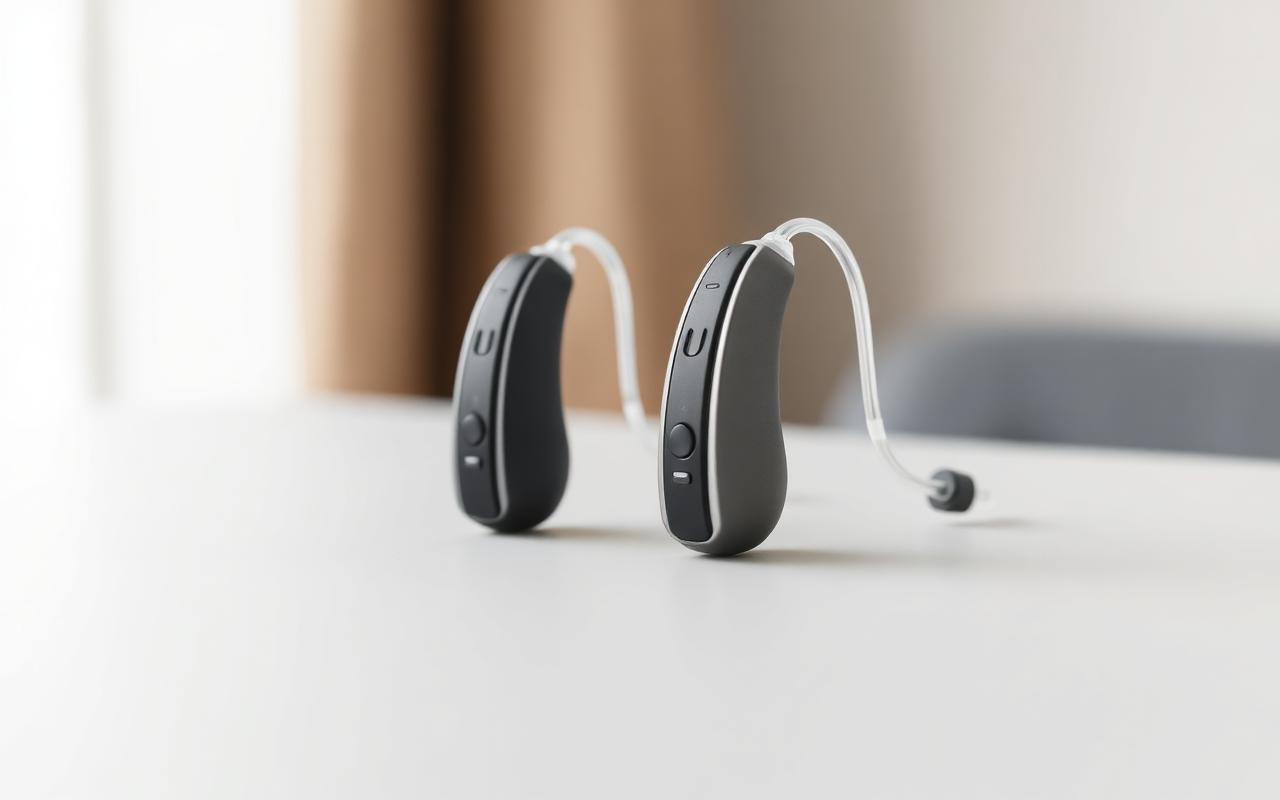
Side by side
| NHS | Private | |
|---|---|---|
| Cost | Free, including batteries and repairs | Paid — see our published price list |
| Wait to be seen | GP referral, then an audiology wait | Usually within a week or two, no referral needed |
| Styles available | Behind-the-ear only | Behind-the-ear, receiver-in-canal, in-the-ear and invisible in-canal |
| Technology level | Generally mid-range | Entry to current premium chips, your choice |
| Streaming | Limited and model-dependent | Phone calls, TV and music via Bluetooth on all current premium models |
| Aftercare | Available, but appointment time is limited | Follow-ups and fine-tuning included; £65 annual review after year one |
| Warranty | Covered while the aids remain NHS property | Five-year extended manufacturer warranty |
| Trial period | Not applicable — the aids are loaned | 60 days |
| Ownership | The NHS owns the devices | You own them |
What NHS hearing aids are genuinely good at
It is worth saying plainly, because private clinics rarely do: NHS hearing aids are real hearing aids. They are supplied by the same major manufacturers who make the private ranges, they are prescribed from a proper audiogram, and they are fitted by qualified audiologists. The batteries, the repairs and the retubing are all free, indefinitely.
For an adult with a symmetrical age-related hearing loss who lives relatively quietly — television, one-to-one conversation, the occasional family gathering — an NHS aid worn consistently will do most of the job. Consistency is the part that matters. A device worn every day, whatever it cost, outperforms a better device left in a drawer.
What you are actually buying privately
The difference is not that private aids are louder. Amplification is amplification. What you are buying is:
- Choice of style. The NHS fits behind-the-ear devices. Privately you can have a slim receiver-in-canal aid, a custom in-the-ear device, or a genuinely invisible in-canal aid if your ear canals and hearing loss suit one.
- Current premium processing. The gap between mid-range and premium technology shows up in one specific place — background noise. In a quiet room you would struggle to tell them apart. In a restaurant, the difference is obvious.
- Connectivity. Direct Bluetooth streaming of calls, television and music, with app control, across all the major brands.
- Time. Hearing-aid follow-up and fine-tuning appointments included, with the same clinician who did your assessment. Hearing aids are not plug-and-play; the first fitting is a starting point and the tuning over the following months is where most of the benefit is found.
- A five-year warranty and a 60-day trial, so the risk of the wrong choice does not sit with you.
Can you have both?
Yes, and plenty of people do. Going private does not remove your entitlement to NHS audiology, and NHS aids you already hold can be kept as a spare pair — useful if a private aid ever goes away for repair. Equally, if you have been referred by your GP and are waiting, there is nothing to stop you having a private assessment in the meantime to find out where your hearing actually stands.
What if I bought hearing aids somewhere else?
Privately purchased hearing aids from another provider can usually be reprogrammed, serviced and refitted here, provided they are from a manufacturer we work with and are still supported. Bring them with you to the assessment along with any paperwork you have. NHS-issued aids, by contrast, remain NHS property and have to be adjusted through NHS audiology.
How to decide
Private is likely to be worth it if you:
- work, chair meetings, or spend real time in noisy places;
- eat out, travel, or socialise in groups regularly;
- want a device other people cannot see;
- want streaming and app control as standard;
- value being seen quickly and by the same person every visit.
The NHS route is likely to be the sensible choice if you:
- have a straightforward loss and a quiet routine;
- are not troubled by the appearance of a behind-the-ear device;
- would find the private cost a genuine strain.
That last point deserves honesty rather than a sales line. An NHS hearing aid worn from next month is far better for your hearing — and, on the current evidence, for your long-term cognitive health — than a premium private pair you put off buying for two years.
What private costs here
We publish our prices rather than quoting them after an appointment. Premium pairs are £4,750 (GN ReSound), £5,190 (Starkey) and £5,750 (Phonak), each including included hearing-aid follow-ups and fine-tuning, a five-year extended warranty and a 60-day trial. A single device is half the pair price plus £200. The full UK cost guide explains what drives the differences between tiers, and the brand comparison covers how the manufacturers differ. Everything is on the price list.
Start with the test, not the decision
Neither route means anything until you know what your hearing actually is. A 60-minute diagnostic assessment gives you an audiogram, a clear explanation and an honest recommendation — including, quite often, that the problem is wax and no hearing aid is needed at all. Nothing is fitted or sold on the day of a test.
Common questions
- Are NHS hearing aids as good as private ones?
- Clinically, NHS hearing aids are good devices — they are made by the same major manufacturers and they are properly prescribed and fitted. What differs is the technology level (usually mid-range), the style choice (behind-the-ear only), and how much one-to-one time is available for fine-tuning. For a straightforward age-related loss in someone with modest listening demands, an NHS aid worn every day works well.
- How long is the wait for NHS hearing aids?
- It varies significantly by area. In much of London the pathway runs from a GP referral to an audiology appointment and then to a fitting, and the total wait is commonly a few months, sometimes longer. Private assessment and fitting can usually be completed within a week or two.
- Can I get rechargeable hearing aids on the NHS?
- Some NHS services now offer rechargeable behind-the-ear devices, but availability depends entirely on your local trust's contract, and disposable-battery models remain the norm in many areas. Rechargeability is standard across the private premium range.
- Can I switch from NHS to private hearing aids?
- Yes, and you do not have to give up your NHS aids to do it. Many patients keep their NHS devices as a backup pair while wearing private aids day to day. You also do not need a GP referral to be seen privately.
- Are NHS hearing aids free forever?
- NHS hearing aids remain the property of the NHS and are loaned to you free of charge, including batteries, repairs and retubing. Lost devices may attract a replacement charge in some areas.
- Do I need a GP referral for a private hearing test?
- No. You can book a private hearing assessment directly. If the assessment shows something that needs medical attention, we will write to your GP or refer you to an ENT consultant.
Independent advice, published prices
Every appointment is with Scott Drummond himself, from assessment through to aftercare. If the honest answer is that the NHS route suits you better, you will be told that too.
We see patients from Kensington, Chelsea and Knightsbridge, plus every area we cover.
Book a hearing assessmentThis article is for general information and is not a substitute for individual medical advice. NHS provision varies between local services.